The education landscape has changed dramatically, with digital learning becoming a powerful tool for career growth. Around 49% of students worldwide have taken at least one online course. Today, students no longer rely only on traditional degrees to gain industry-ready skills. Instead, they turn to Online Course Platforms for Students that offer flexibility, affordability, and access to global expertise. The global online learning industry is projected to exceed $370 billion by 2026.
These platforms allow learners to explore in-demand skills such as technology, business, design, and communication at their own pace. Online learning also helps students bridge the gap between academic knowledge and real-world job requirements. With certifications, hands-on projects, and career-focused programs, online courses support continuous learning in a competitive job market. 63% of students in the U.S. engage in online learning activities daily.
Whether a student wants to upskill, switch career paths, or strengthen their resume, choosing the right online platform can make a significant difference. As employers increasingly value practical skills and certifications, online education has become a smart and strategic investment for long-term career success.
Why Online Learning Matters for Career Development
Online learning plays a vital role in preparing students for modern careers. Approximately 58% of learners prefer self-paced eLearning courses. Online Course Platforms for Students provide access to updated, industry-relevant content that traditional education may not always cover. These platforms focus on practical skills, real-world applications, and certifications that employers value. Flexible learning schedules allow students to balance studies with internships or part-time jobs. Online courses also encourage self-paced learning, helping students master skills efficiently and stay competitive in a rapidly evolving job market. About 70% of students believe online learning offers a better learning experience than traditional classrooms
Key Factors to Consider When Choosing an Online Course Platform
- Course Variety and Relevance: A good platform should offer a wide range of courses aligned with current industry demands. Look for programs that focus on practical skills, updated content, and real-world applications rather than only theoretical knowledge.
- Instructor Expertise and Credibility: Experienced instructors with strong industry backgrounds ensure better learning outcomes. Platforms featuring certified professionals, university faculty, or industry experts provide higher-quality education and trustworthy guidance.
- Certifications and Career Value: Choose platforms that offer recognized certificates. Employers value credentials from reputable providers, especially when learning through Online Course Platforms for Students focused on job-ready skills and professional growth.
- Pricing and Accessibility: Affordable pricing, free trials, and financial aid options make learning accessible. Students should compare subscription plans and one-time course fees to find platforms that fit their budget and learning goals.
- Career Support and Practical Learning: Platforms offering projects, assignments, and career guidance help students apply skills practically. Resume support, portfolio building, and job assistance add extra value to online learning experiences.
Top Online Course Platforms for Students
Coursera
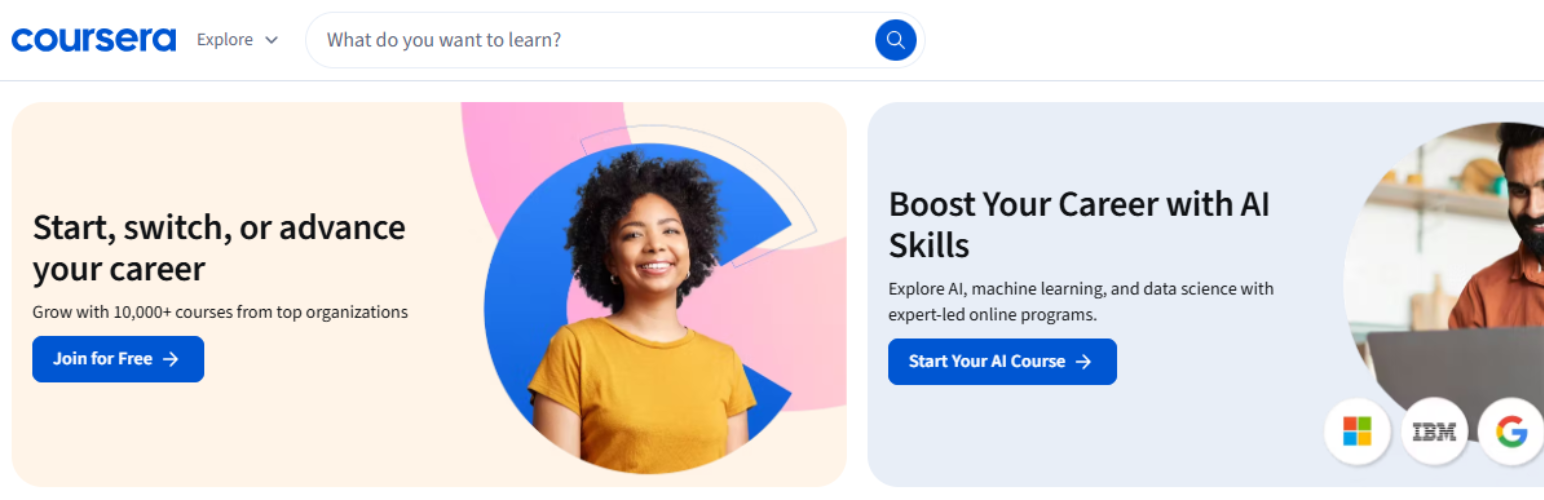
Coursera is one of the most popular platforms offering university-level courses and professional certificates. It partners with top universities and global companies to deliver high-quality education. Students can learn subjects like data science, business, and technology while earning recognized credentials. Coursera is the best E learning websites for students seeking structured programs through Online Courses that support academic and career advancement.
This platform offers university and industry-backed certifications along with well-structured learning paths and full degree programs to support career growth. Learners gain practical experience through hands-on projects and graded assignments while enjoying flexible learning with mobile access. It also provides financial aid and free course options, making quality education accessible to everyone.
Key Features:
- 5,500+ courses + 3,400+ guided projects + 700+ specializations from top universities & global companies.
- Professional Certificates, MasterTrack & degree options available.
- Audit many courses for free (no certificate).
- Certificates and specializations often include graded projects and real career-relevant content.
Pricing:
Individual courses usually cost ~$29–$99 each; Coursera Plus (unlimited access to most courses & certificates) is about $399/year (often discounted)
Udemy
Udemy focuses on practical, skill-based learning with thousands of affordable courses. It covers diverse topics such as programming, marketing, personal development, and design. Students can learn at their own pace and gain hands-on skills through real-world examples. Udemy is a flexible choice and the best platform for online courses for learners exploring new skills or enhancing existing ones.
The platform features a massive course library covering a wide range of skills, making it suitable for learners at every level. Beginner-friendly, practical tutorials along with mobile and offline learning support ensure a flexible and convenient learning experience.
Key Features:
- 150,000+ courses covering nearly every subject area imaginable.
- Lifetime access to purchased courses; learn at your own pace.
- Certificates of completion (non-accredited).
Pricing:
Pay-per-course model — typically $9.99–$200 per course, often discounted heavily during sales.
edX
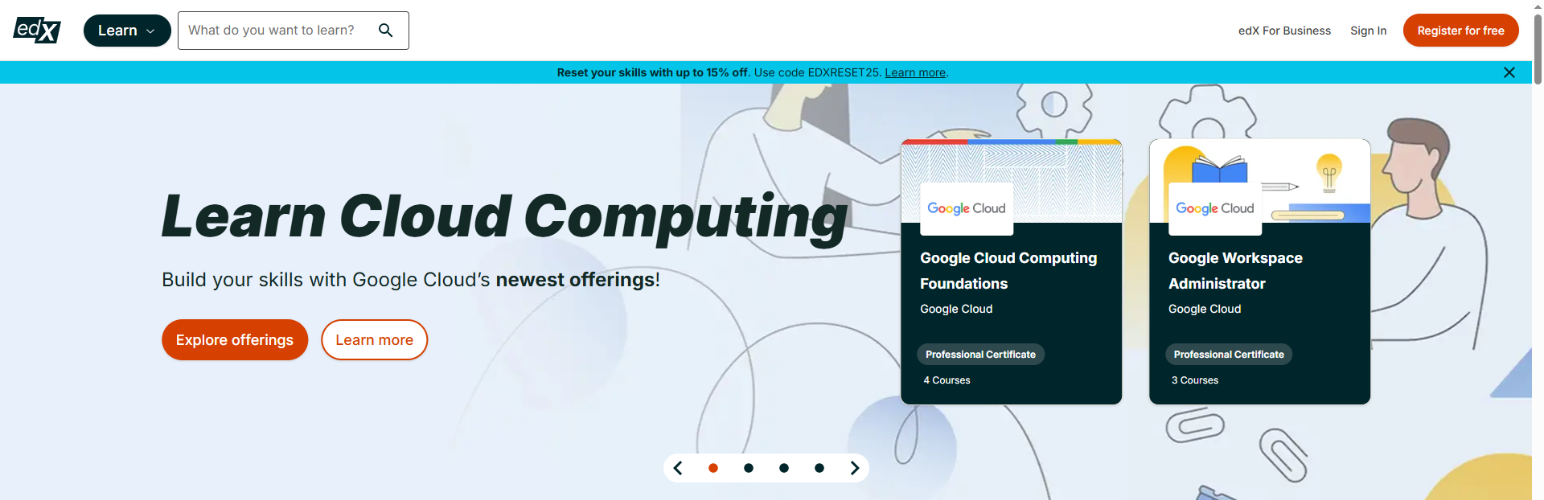
edX provides courses from leading universities and institutions worldwide. It offers professional certificates, micro-degrees, and even online degree programs. Students benefit from high academic standards and structured learning paths.
As one of the trusted Online Course Platforms for Students, edX is suitable for advanced learners and career-focused education. Many edX programs also emphasize practical frameworks such as methodology in project management, helping students apply structured approaches to real-world academic and professional projects.
Key Features:
- Courses from top universities (Harvard, MIT, Berkeley & more) with verified certificates and MicroBachelors/MicroMasters options.
- Pathway to university credit and full online degrees.
- Free audit mode available (no certificate).
Pricing:
Audit free; verified certificates $50–$300+ per course; MicroMasters or credential programs can range $400–$2,000+ depending on program.
LinkedIn Learning
LinkedIn Learning delivers career-oriented courses aligned with job roles and industry trends. It integrates seamlessly with LinkedIn profiles, helping students showcase skills to employers. Courses focus on business, technology, and creative fields. This platform is ideal for students aiming to strengthen professional skills and improve employability.
The platform offers direct integration with LinkedIn profiles, allowing certificates to be easily showcased to recruiters. It provide with short, easy-to-follow video lessons tailored to industry needs. Regularly updated content ensures learners stay aligned with current trends and in-demand skills.
Key Features:
- 25,000+ expert-led courses in business, creative, tech, and professional skills.
- Personalized recommendations & certificates tied to your LinkedIn profile.
- Offline access + learning paths & skills tracking
Pricing:
$39.99/month, or about $239.88/year (~$19.99/mo when billed annually); includes 1-month free trial.
Skillshare
Skillshare emphasizes creative learning, including design, illustration, photography, and content creation. Courses are project-based and encourage hands-on practice. Students can explore creative careers and freelancing opportunities. Skillshare stands out among Online Course Platforms for Students interested in artistic and creative skill development.
Community-driven class discussions encourage collaboration and real-world feedback, while the subscription model offers unlimited access to courses. It is especially ideal for freelancers and creatives looking to sharpen their craft and stay inspired.
Key Features:
- Unlimited access to thousands of classes focused on creative, business, and lifestyle topics.
- Project-based learning with community feedback & offline viewing.
- No formal academic accreditation, although class progress can be shared.
Pricing:
Subscription model — about $32/month or $168/year (equivalent to ~$14/mo).
Google Career Certificates

Google Career Certificates offer job-ready programs in fields like IT support, data analytics, and digital marketing. Designed by industry experts, these courses focus on practical skills employers need. Students can complete programs within months and gain recognized credentials that support career entry or transitions. As one of the most career-focused online education platforms, Google Career Certificates bridge the gap between learning and employment through industry-aligned training.
These programs require no prior degree or experience to get started. They focus on building job-ready skills through practical, hands-on training that is recognized by top employers. With flexible, self-paced learning, users can progress according to their own schedule and career goals.
Key Features:
- Job-ready professional training in high-demand fields (Data Analytics, IT Support, Project Management, UX Design, Cybersecurity, Digital Marketing & E-Commerce).
- Designed for beginners and career changers with real-world skills.
- Access often includes interview prep tools and industry insights.
Pricing:
Most Google Career Certificate programs cost around $39–$49/month on platforms like Coursera (self-paced; final cost varies by duration).
How Online Courses Help Students Boost Employability
Online courses help students enhance employability by building practical, job-ready skills. They offer hands-on projects, real-world case studies, and industry-recognized certifications. Students can showcase completed courses on resumes and LinkedIn profiles. Online learning also encourages continuous skill development, helping students stay relevant and competitive in fast-changing industries.
Challenges of Online Learning and How to Overcome Them
- Lack of Motivation and Discipline
Online learning requires self-discipline. Students can overcome this by setting goals, creating schedules, and choosing engaging Online Course Platforms for Students that offer structured learning paths and progress tracking. - Overwhelming Course Choices
With thousands of courses available, selecting the right one can be difficult. Reading reviews, checking course outlines, and focusing on career goals help students make informed decisions. - Limited Interaction and Support
Some learners miss face-to-face interaction. Participating in discussion forums, peer groups, and instructor Q&A sessions can improve engagement and understanding.
Future of Online Learning and Skill-Based Education
- Personalized Learning Experiences
Advanced technologies will enable customized learning paths. Students will adapt content based on individual goals, skill levels, and learning speed. - Growth of Micro-Credentials
Short, focused certifications will gain popularity. Employers increasingly value micro-credentials that demonstrate specific, job-ready skills. - Wider Employer Acceptance
Companies are recognizing online certifications as credible alternatives to traditional education, making online learning a key driver of career success.
Conclusion
Online education has transformed how students learn, grow, and prepare for their careers. With flexible schedules, affordable pricing, and access to global expertise, online learning empowers students to take control of their professional development. The right platform helps bridge skill gaps, build practical knowledge, and earn recognized certifications. As industries continue to evolve, continuous learning becomes essential for long-term success. By choosing reliable Online Course Platforms for Students, learners can stay competitive, improve employability, and explore new career opportunities. Online courses are no longer optional; they are a strategic investment in future growth. Students who embrace skill-based education today position themselves for better jobs, career stability, and lifelong learning in a rapidly changing world.
Frequently Asked Questions (FAQs)
Online Course Platforms for Students focus on practical skills, hands-on projects, and industry-relevant knowledge that employers actively seek. They help students bridge the gap between academic learning and job-ready expertise.
Yes, many employers recognize certifications from reputable platforms, especially those backed by universities or global companies. These certificates demonstrate initiative, skill development, and commitment to continuous learning.
Online learning offers flexible schedules that allow students to learn at their own pace. This flexibility makes it easier to manage studies alongside internships, jobs, or personal commitments.
Students should consider course relevance, instructor credibility, certification value, and practical learning opportunities. Career support features like projects, portfolio building, and job guidance also add significant value.
Yes, online courses are ideal for students looking to upgrade skills or transition into new career paths. They provide targeted learning programs designed to meet current industry demands quickly.