Businesses today operate in a fast-paced digital environment. Security, flexibility, and uninterrupted connectivity are essential for success. Teams now work across offices, homes, and public networks. This increases exposure to cyber threats, data leaks, and unauthorized access. This is where the benefits of VPN for business become clear. A VPN creates a secure, encrypted connection between employees and company systems. It protects sensitive data on any network or location. A modern business VPN solution does more than improve security. It enables safe remote access and supports daily workflows. It also strengthens privacy by masking online activity. Teams can collaborate without risking data exposure. As businesses rely more on cloud platforms and mobile devices, digital risks continue to grow. Hybrid work models expand the attack surface even further. Implementing a strong VPN solution is no longer optional. It is a strategic necessity. A VPN helps organizations operate confidently. It protects critical assets and ensures consistent operations in a digital-first world.
Key Benefits of VPN for Business
The benefits of VPN for business cover several critical areas that directly impact productivity, security, and stability. First, it enables secure remote access, allowing employees to connect safely from on-site, remote, or hybrid environments without exposing sensitive information. A VPN also strengthens cybersecurity protection by shielding endpoints, securing DNS traffic, and preventing unauthorized access to internal systems. Another advantage is reliable connectivity, teams gain smooth access to cloud platforms, internal apps, and essential business data without interruptions. A VPN further supports compliance by helping businesses meet regulations through encrypted communication, strict authentication, and defined access controls. Additionally, centralized management reduces operational overhead by simplifying network monitoring for IT teams. Finally, a VPN contributes to business resilience and trust, ensuring customers and partners feel confident that the organization prioritizes security as it grows and scales. Below are the benefits explained in detail.
1. Enhanced Data Security

One of the most powerful benefits of VPN for business is robust data encryption. As cyberattacks become more sophisticated, companies must ensure sensitive information such as financial data, customer records, and internal documents stays protected at all times. A VPN encrypts all data moving between employees and company servers, reducing the chances of unauthorized access or data theft. Whether employees are working onsite, from home, or while traveling, encrypted connections create a secure shield around company communications. This level of protection makes a dedicated VPN a more reliable alternative to Windows built in VPN, which often lacks advanced encryption controls and centralized business management features. Strong encryption also supports compliance requirements, helping businesses avoid penalties and maintain trust with clients.
Quick Data Snapshot:
- 82% of breaches involve intercepted data in transit
- Encryption reduces exposure by over 90%
2. Secure Remote Access
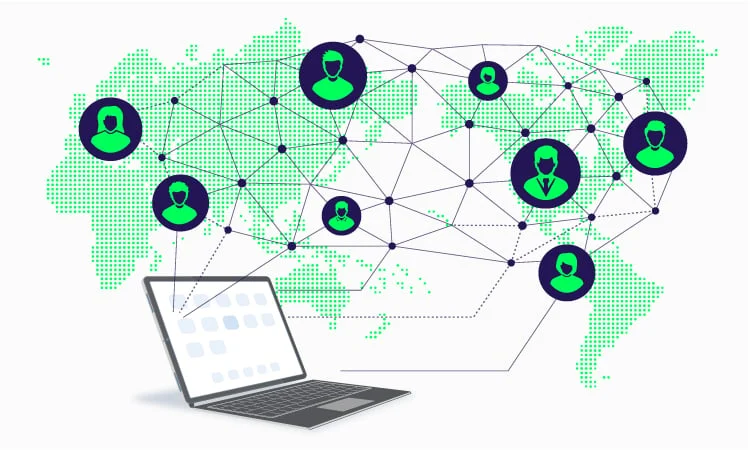
With distributed teams becoming the norm, secure remote access is one of the most essential benefits of VPN for business. A VPN allows employees to safely log in to internal tools, servers, and files, even when connecting from public Wi-Fi or mobile networks. Without a VPN, remote sessions become vulnerable to cyberattacks. With a VPN, every session stays encrypted, ensuring that sensitive information cannot be intercepted. This secure access boosts flexibility, enabling employees to work productively from any location without compromising security. For businesses that rely on client files, cloud dashboards, or shared data, secure remote access reduces operational risks and establishes a protected work environment.
3. Improved Privacy and Anonymity

Another key advantage within the core benefits of VPN for business is improved digital privacy. By masking IP addresses and encrypting traffic, a VPN prevents third parties from tracking employee activity or monitoring online behavior. This is especially important for businesses handling confidential client information or conducting sensitive operations. With enhanced anonymity, teams can conduct research, communicate with partners, and access resources without leaving identifiable digital traces. This privacy layer boosts stakeholder confidence and reinforces a company’s commitment to secure digital practices.
4. Reliable Connectivity for Better Productivity

Smooth connectivity is essential for business performance. A VPN ensures reliable access to cloud tools, file-sharing platforms, and internal applications, no matter where employees are located. The benefits of VPN for business go beyond security by eliminating delays caused by ISP throttling, blocked content, or unstable networks. Many VPNs optimize traffic routes, improving speed and performance. As a result, teams collaborate more efficiently and experience fewer interruptions during crucial tasks. Reliable connectivity promotes innovation, reduces downtime, and ensures deadlines are met consistently.
5. Reducing Cybersecurity Risks Across All Devices

Businesses face daily threats such as phishing, malware, credential theft, and MITM attacks. One of the standout benefits of VPN for business is consistent protection across all devices, laptops, desktops, tablets, and mobile phones. Since employees often use multiple devices to complete tasks, a uniform security layer becomes vital. VPNs encrypt every connection, reducing the likelihood of attackers exploiting vulnerable endpoints. This strengthens the company’s overall cybersecurity posture and helps maintain safe operations across all access points.
Device Security Highlights:
- Encrypted traffic across all endpoints
- Uniform protection for laptops, tablets, and mobile phones
- Reduced chances of credential theft and malware injection
How a Business VPN Works (High-Level Workflow)
A business VPN does far more than “secure a connection.” It restructures how traffic flows within a corporate environment. Here’s a simplified breakdown:
- Endpoint initiates a secure, authenticated session
- A cryptographic handshake establishes the encrypted tunnel
- All outbound traffic is encrypted at the source
- Secure routing directs traffic through the VPN gateway
- The gateway decrypts and authenticates the request
- Return traffic follows the same encrypted path
- Continuous monitoring ensures session security
Visual Flow:
Authenticate → Encrypt → Route → Validate → Return → Monitor
Drawbacks of Using a VPN for Business
- Potential speed reduction:
VPN encryption and secure routing can add slight latency to internet connections. This may be noticeable when using high-bandwidth applications or if the VPN provider has limited server capacity. - Setup and management complexity:
Implementing a business VPN often requires proper configuration, user access controls, and regular monitoring. For companies without dedicated IT support, this can increase administrative effort. - Cost considerations:
Business-grade VPN solutions usually come with ongoing subscription or licensing costs. For small businesses, this investment may feel significant when combined with other security expenses. - Compatibility limitations:
Certain legacy software, internal tools, or network configurations may not function seamlessly with VPN connections, requiring adjustments or technical workarounds. - User dependency and compliance:
VPN security depends on employees using it correctly. If users forget to connect or disable the VPN, company data may be exposed during those sessions.
Want to Explore Some of the Best VPNs? Here Are a Few Trusted Options
1. Ivacy VPN – Affordable and Flexible for Smaller Teams
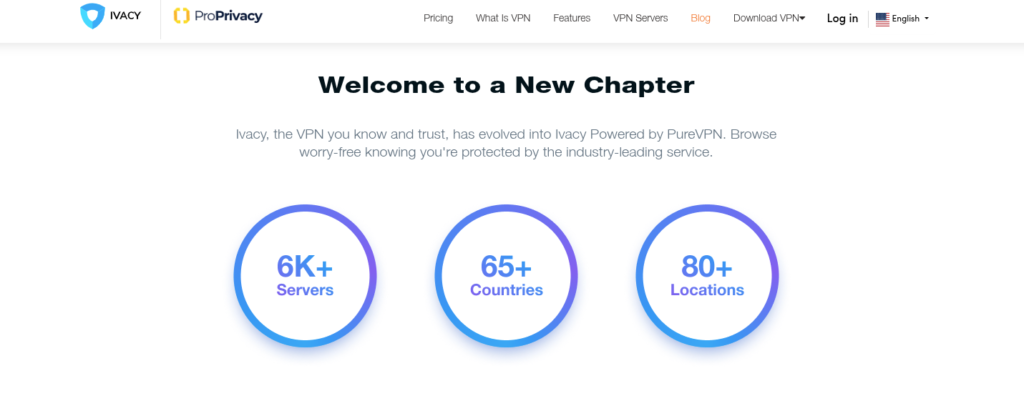
Ivacy VPN is a budget-friendly VPN service that delivers essential security features suited to small businesses and startups. It uses strong AES-256 encryption and supports modern VPN protocols, helping protect business data and remote workers across public and private networks. Ivacy also offers features like split tunneling and support for up to 10 simultaneous connections, making it practical for teams with several devices. Its low-cost long-term plans, including deals often advertised as vpn with lifetime subscription options on third-party sites, make it appealing for businesses aiming to control expenses. Ivacy operates a large global server network, helping maintain connection reliability in multiple regions. Its easy setup and compatibility with major platforms, Windows, macOS, Android, iOS, and more, help businesses get protected quickly with minimal IT overhead. However, users should evaluate independent privacy audits and performance expectations before choosing it for critical infrastructure.
2. VPNSecure – Privacy-Focused with Customizable Security
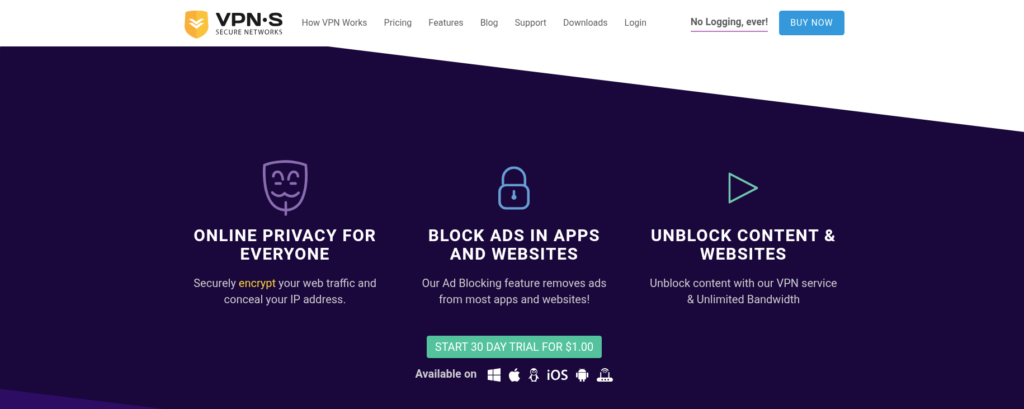
VPNSecure focuses on privacy and strong encryption, making it a good choice for organizations that need clear control over their VPN settings. This provider maintains a strict no-logs policy, meaning it does not permanently store user IPs or traffic data, helping reduce potential exposure of sensitive business activity. VPNSecure offers features such as customizable encryption strength and a reliable kill switch to ensure connections don’t leak unprotected data if interrupted. While its server list is smaller than some competitors and speeds may be modest, the emphasis on configurability appeals to teams that want precise control over how their VPN secures data and endpoints. These capabilities align well with the core benefits of VPN for business, especially for companies that prioritize privacy, data protection, and controlled network access over entertainment-focused features.
3. NordVPN – Top Tier Security and Performance for Business Needs

NordVPN is widely regarded as one of the strongest and most reliable VPN providers available. It combines robust AES-256 encryption with advanced privacy protections and a strict no-logs policy that has undergone multiple independent audits, reinforcing trust in its claims. NordVPN’s huge global server network and high-speed protocols (like NordLynx based on WireGuard) deliver fast, stable connectivity for teams working across regions, ensuring minimal disruption to critical tasks. It also includes advanced features such as built-in threat protection tools, phishing and malware defenses, and additional security layers that go beyond basic VPN encryption. These extras make it ideal for businesses that want top-level protection alongside performance and flexibility. Whether you need strong remote access security, compliance support, or broad device compatibility, NordVPN stands out as a comprehensive choice for business environments.
Conclusion
Choosing the right VPN is no longer just a technical decision, it’s a strategic step toward building a secure, productive, and future-ready business. As cyber threats continue to evolve and remote work becomes the norm, companies must adopt tools that protect their data without slowing down operations. A reliable VPN empowers teams to work securely from anywhere, ensures privacy across digital touchpoints, and strengthens the overall security framework of your organization.
By investing in a strong business VPN, you’re not just safeguarding confidential information, you’re enabling smoother collaboration, reducing operational risks, and laying the groundwork for scalable growth. Whether you run a small startup or a growing enterprise, a VPN serves as a vital shield in today’s digital-first world. The key is to evaluate your needs carefully and choose a provider that offers both robust security features and the flexibility to grow with your company.
FAQs
A business VPN solution encrypts company internet traffic and allows employees to securely access internal systems and cloud tools from any location.
The main benefits include secure remote access, data encryption, improved privacy, better productivity, and reduced cybersecurity risks.
Yes. A business VPN is a more secure and scalable alternative to Windows built in VPN, offering stronger encryption and centralized management.
A quality business VPN solution is optimized for performance and typically causes minimal speed reduction while improving connection stability.
Yes. Even small businesses benefit from a VPN by protecting sensitive data, securing remote work, and reducing the risk of cyberattacks.